Skip to content
No results
HOME
D.PHARM FIRST YEAR
ANATOMY AND PHYSIOLOGY
PHARMACEUTICS
PHARMACEUTICAL CHEMISTRY
PHARMACOLOGY
SOCIAL PHARMACY
D.PHARM SECOND YEAR
PHARMACOLOGY
COMMUNITY PHARMACY AND MANAGEMENT
BIOCHEMISTRY AND CLINICAL PATHOLOGY
PHARMACOTHERAPEUTICS
HOSPITAL AND CLINICAL PHARMACY
PHARMACY LAW AND ETHICS
CONTACT US
HOME
D.PHARM FIRST YEAR
ANATOMY AND PHYSIOLOGY
PHARMACEUTICS
PHARMACEUTICAL CHEMISTRY
PHARMACOLOGY
SOCIAL PHARMACY
D.PHARM SECOND YEAR
PHARMACOLOGY
COMMUNITY PHARMACY AND MANAGEMENT
BIOCHEMISTRY AND CLINICAL PATHOLOGY
PHARMACOTHERAPEUTICS
HOSPITAL AND CLINICAL PHARMACY
PHARMACY LAW AND ETHICS
CONTACT US
Search
Menu
Search
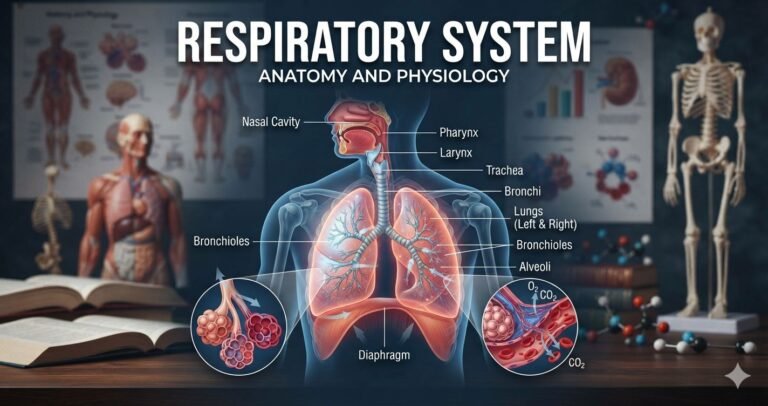
12. RESPIRATORY SYSTEM
11. CARDIOVASCULAR SYSTEM: ANATOMY AND PHYSIOLOGY OF HEART
10. LYMPHATIC SYSTEM
9. IMPORTANCE OF BLOOD GROUPS
8. MECHANISM OF BLOOD CLOTTING
7. PROCESS OF HEMOPOIESIS
6. HAEMOPOIETIC SYSTEM: COMPOSITION AND FUNCTIONS OF BLOOD
5. CLASSIFICATION, TYPES AND MOVEMENTS OF JOINTS, DISORDERS OF JOINTS
4. OSSEOUS SYSTEM
3. TISSUES OF THE HUMAN BODY
Prev
1
2
3
Next